California, USA
10471 Magnolia Ave, Anaheim, CA 92804
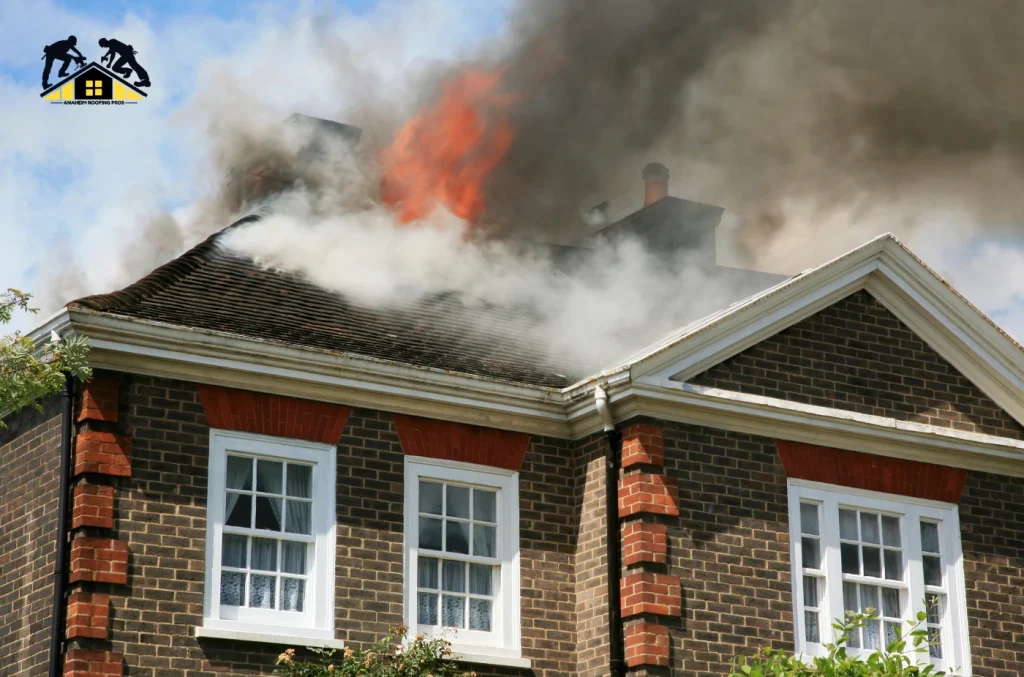
Wildfires send embers far from the flames. Embers start most home fires. A roof that resists embers keeps the house safe. In Orange County, embers are the main risk. Class A materials reduce that risk the most.
Fire reaches a home in three ways:
Ask: What is the roof’s fire class? Class A gives highest protection. Class B is mid level. Class C is low. Many municipalities require Class A in at-risk zones. Check local building codes before a replacement.
Metal does not ignite. It resists embers and radiant heat. Metal is light and long lasting. It also reflects heat. For Anaheim summers, this helps cut cooling loads. Use painted, coated panels for best performance.
Tiles offer natural fire resistance. They score high for Class A. They fit Spanish and Mediterranean styles. Tiles are heavy. You may need roof framing upgrades. Many Anaheim homes already use tile.
Slate is natural and fireproof. It lasts a long time. It is costly and heavy. Slate fits high-end, historic, or custom homes.
Modern composites can meet Class A. They mimic slate or wood. Choose products listed for Wildland-Urban Interface (WUI) compliance.
Standard asphalt can reach Class A when combined with fire-rated underlayment. They cost less up front. They need closer inspection in ember-prone areas.
Commercial flat roofs use fire-rated coatings and membranes. Coatings help, but choose tested systems. A coating alone is not always sufficient for extreme ember exposure.
Material matters, but so does the assembly. A fire-resistant layer under the covering helps. Flashing, vents, and skylights can be weak points. Use rated underlayment and ember-resistant vents. Seal gaps at roof edges. Small fixes block ember entry.
Complex roofs have valleys, dormers, and many penetrations. Embers collect in valleys. Keep valleys clean and make sure flashing fits tight. Simpler roof lines burn less often. If you live near Santa Ana Canyon or Anaheim Hills, plan for ember traps.
Gutters fill with leaves and twigs. Embers ignite this debris fast. Install gutter guards. Use noncombustible gutter covers when possible. Clean gutters at least twice a year. Trim tree branches away from the roof and gutters. This step is low cost and high impact.
Skylights can let embers in. Choose fire-rated skylights or screens. Make sure roof vents have ember-resistant mesh. Inspect seals after storms. Small openings make a big difference.
Flat roofs need tested membranes and fire-resistant cover boards. Vegetative roofs can add fuel. If you want a green roof, include a tested ember barrier and maintain a noncombustible buffer around roof edges. Consult code and a fire-safe engineer before you build.
If your roof uses wood shake or old, failing shingles, replace it. A new Class A system cuts risk. Get a contractor with WUI experience. Ask for product listings that comply with California Chapter 7A and local WUI rules.
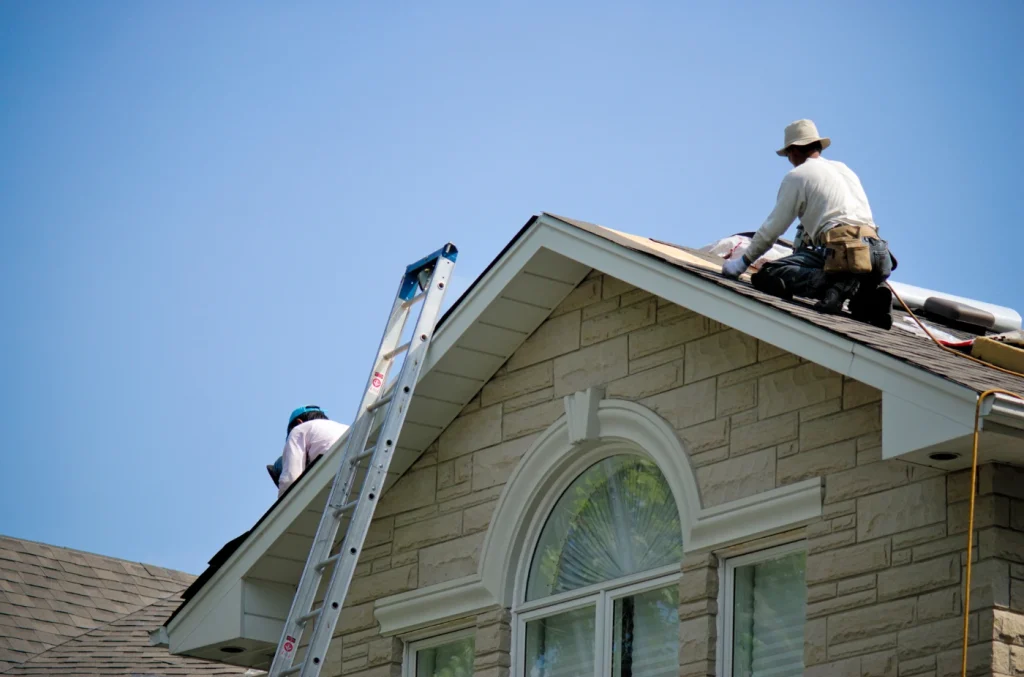
OCFA and state wildfire programs advise home hardening. This includes Class A roofs, closed eaves, and defensible space. Live burn demos in Orange County show that fire-safe features often stop structure ignition. Check OCFA guidance for local events and resources.
For most Anaheim properties, choose one of these:
Fire-safe roofs cost more up front. They lower long-term risk and replacement cycles. You may get insurance savings and higher resale value. Think in decades. For many, the added cost is worth the safety and peace of mind.
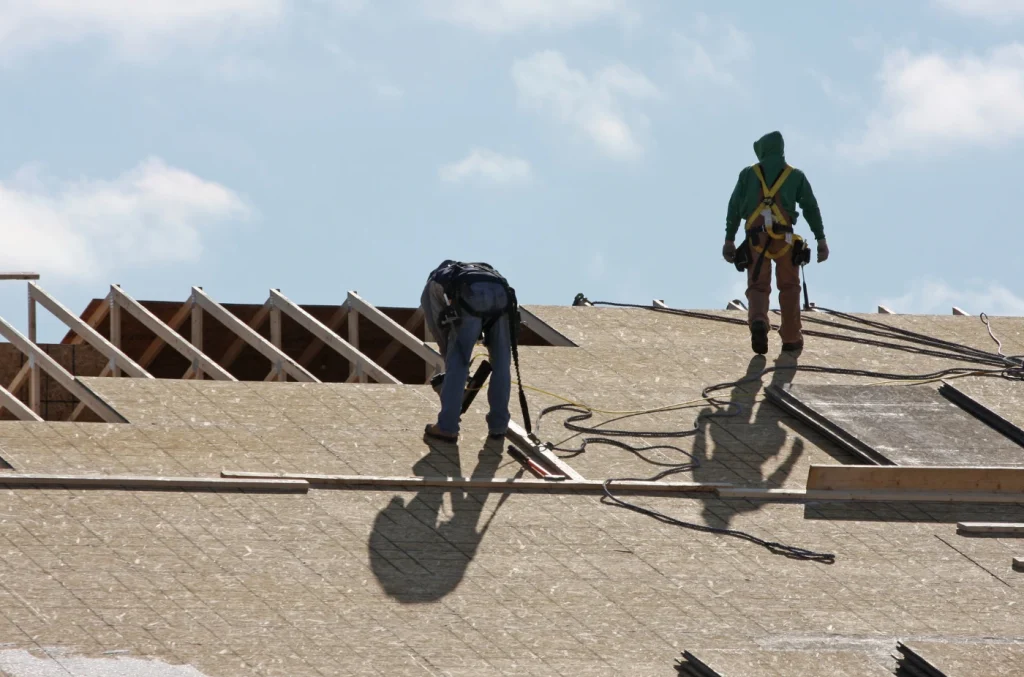
Start with a simple inspection. Clean gutters and trim trees. If you plan a reroof, prioritize a Class A-rated system. Use local, WUI-experienced contractors. Keep records of product sheets and permits. That documentation helps with inspections and insurance.