
California, USA

10471 Magnolia Ave, Anaheim, CA 92804
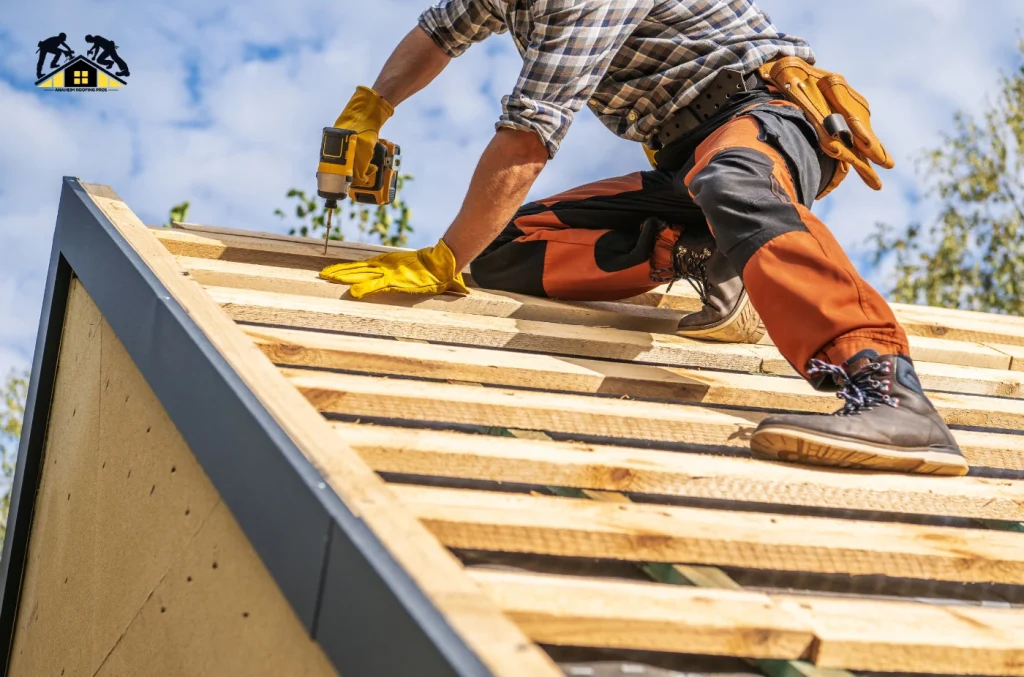
A construction worker installing wooden roof sheathing on a house roof frame.

Best Roofing Material for Different Climates | A Perfect Guide for Local Residentials

Choosing the right roofing material is crucial to ensuring durability, energy efficiency, and long-term protection. Different climates demand specific roofing solutions to withstand extreme temperatures, heavy rainfall, high winds, or snow loads. At Anaheim Roofing Pros, we specialize in helping homeowners and businesses select the best roofing materials for their regional climate. Here’s a comprehensive guide to the best roofing materials for different weather conditions.

Roofing Materials and Their Climate Suitability

Asphalt Shingles: A Versatile Choice for Moderate Climates

Asphalt shingles are one of the most common roofing materials due to their affordability, durability, and ease of installation. They perform well in moderate climates, where extreme weather conditions like intense heat, heavy snowfall, or hurricanes are rare. These shingles offer impact-resistant roofing options, making them ideal for areas with occasional storms.

Pros:

  • Affordable and widely available
  • Provides good insulation
  • Available in various colors and styles

Cons:

  • Not ideal for areas with extreme heat or frequent hailstorms
  • Shorter lifespan compared to premium materials

Metal Roofing: Ideal for Hot and Cold Climates

Metal roofing is highly durable, energy-efficient, and an excellent choice for extreme weather conditions. For homeowners wondering is a metal roof worth it, this material offers impressive benefits. It reflects sunlight, making it perfect for hot climates, and it’s also strong enough to withstand heavy snow loads in cold regions.

Pros:

  • Reflective roof coatings reduce heat absorption
  • Long lifespan (40–70 years)
  • Resistant to fire, wind, and pests

Cons:

  • Higher initial cost
  • Can be noisy during rain or hailstorms

Ceramic Roof Tiles: Best for Hot and Dry Climates

Ceramic roof tiles are a staple in Mediterranean and southwestern architecture due to their ability to withstand intense heat. These tiles maintain cooler indoor temperatures by providing natural insulation and are a great fire-resistant roofing choice.

Pros:

  • Highly durable (can last over 100 years)
  • Excellent for warm and dry climates
  • Fire-resistant and energy-efficient

Cons:

  • Heavy; may require additional roof support
  • Expensive compared to asphalt shingles

Flat Roof Coatings: Effective in Urban and Commercial Settings

Flat roof coatings are essential for low-slope and flat roofs, commonly found in commercial and industrial buildings. Materials like TPO roofing and silicone roof coatings provide excellent protection against water pooling and UV rays, making them suitable for hot and rainy climates.

Pros:

  • Extends roof lifespan
  • Reduces energy costs by reflecting sunlight
  • Protects against leaks and moisture damage

Cons:

  • Requires proper installation to avoid pooling issues
  • Regular maintenance needed for best performance

TPO Roofing: Energy-Efficient for Warm and Humid Areas

TPO (Thermoplastic Polyolefin) roofing is a highly reflective, single-ply roofing membrane commonly used on commercial buildings. It’s an ideal choice for humid climates due to its resistance to mold, algae, and UV damage.

Pros:

  • Highly reflective, reducing cooling costs
  • Resistant to chemical exposure and mold growth
  • Durable and flexible

Cons:

  • Limited color options
  • Requires professional installation

Reflective Roof Coatings: Best for Energy Efficiency in Hot Climates

Reflective roof coatings significantly reduce heat absorption by bouncing sunlight away from the roof. They are commonly applied over existing roofing materials to improve energy efficiency.

Pros:

  • Reduces cooling costs in hot climates
  • Protects against UV radiation
  • Extends the lifespan of existing roofs

Cons:

  • Requires reapplication over time
  • May not be effective in colder climates

Silicone Roof Coatings: Superior Waterproofing for Rainy Regions

Silicone roof coatings provide a seamless, waterproof barrier that is ideal for areas with frequent rainfall. This coating is excellent for preventing leaks and extending the life of existing flat roofs.
Pros:

  • Highly water-resistant
  • Reduces heat absorption
  • Ideal for flat roofs in rainy climates

Cons:

  • Higher cost than standard roof coatings
  • Requires professional application

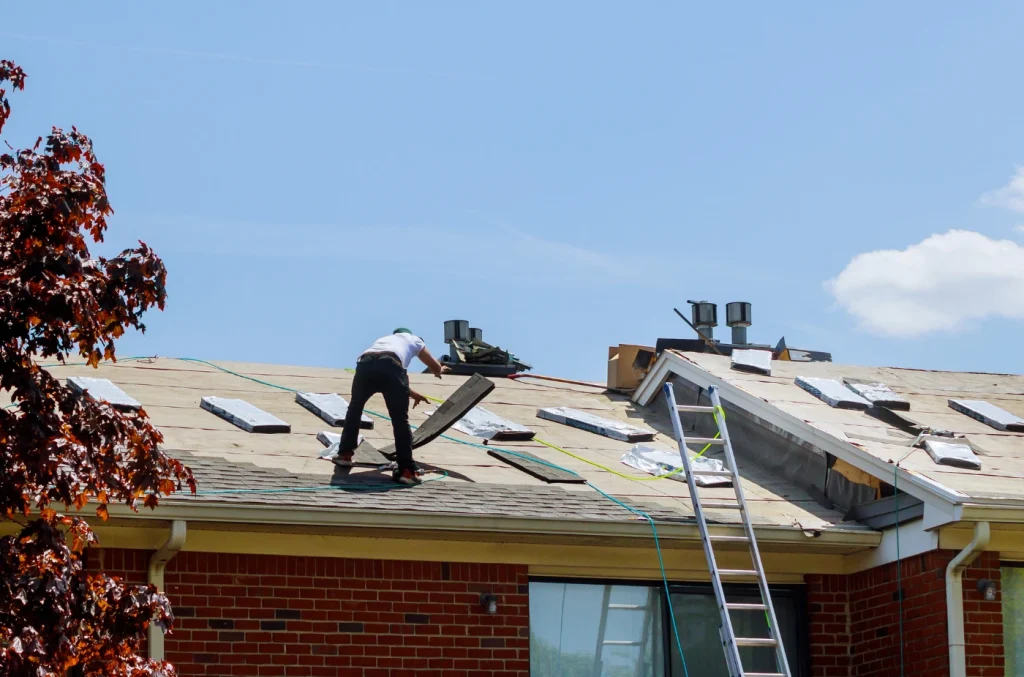
Roofers standing on a sloped roof installing shingles with tools and ladders.

Composite Roofing: A Durable Alternative for Varied Climates

Composite roofing is made from a blend of materials such as fiberglass, asphalt, and recycled plastics. It is a versatile option that mimics natural materials like slate and wood, making it suitable for various climate conditions.

Pros:

  • Lightweight yet durable
  • Resistant to weathering and impact
  • Wide range of design options

Cons:

  • Can be more expensive than traditional asphalt shingles
  • Some types may require additional maintenance

Fire-Resistant Roofing: Essential for Wildfire-Prone Areas

In areas prone to wildfires, using fire-resistant roofing materials like metal roofing, slate roofing, and ceramic roof tiles is crucial. These materials prevent the spread of fire and offer greater peace of mind.

Pros:

  • Protects against fire hazards
  • Available in various styles and materials
  • Enhances home safety

Cons:

  • Some fire-resistant materials can be expensive
  • Heavier materials may need additional structural support

Impact-Resistant Roofing: Best for Storm-Prone Areas

For regions frequently hit by hailstorms and high winds, impact-resistant roofing is essential. Metal roofing, slate roofing, and multi-layer roofing offer superior durability against harsh weather conditions.

Pros:

  • Reduces storm damage risk
  • Increases home resilience
  • Can lower insurance premiums

Cons:

  • Higher upfront cost
  • Limited availability in some areas

Spanish Tile Roofing: Classic and Weather-Resistant

Spanish tile roofing is not only aesthetically pleasing but also excellent for hot and dry climates. These curved tiles provide air circulation, reducing heat buildup inside homes.

Pros:

  • Extremely durable (can last over a century)
  • Naturally cooling properties
  • Fire and weather-resistant

Cons:

  • Heavy; requires structural reinforcement
  • Expensive compared to asphalt shingles

Slate Roofing: Long-Lasting for Harsh Weather Conditions

Slate roofing is one of the most durable roofing options available, making it suitable for both cold and hot climates. Its natural stone composition provides superior protection against extreme weather.

Pros:

  • Can last over 100 years
  • Highly fire-resistant
  • Aesthetically appealing

Cons:

  • Heavy and requires extra support
  • Expensive and requires skilled installation

Multi-Layer Roofing: Extra Protection for Harsh Environments

Multi-layer roofing systems involve multiple protective layers, including underlayment, insulation, and top coatings, making them ideal for regions with unpredictable weather patterns.
Pros:

  • Enhances durability and weather resistance
  • Provides superior insulation
  • Reduces noise pollution

Cons:

  • Higher installation costs
  • May require more maintenance

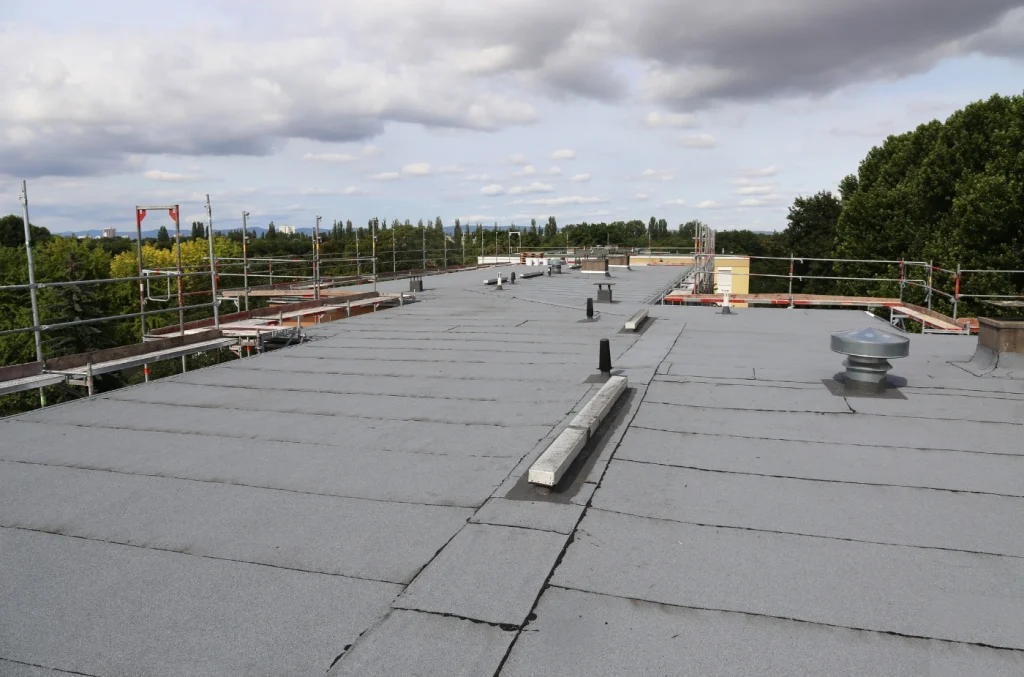
A flat commercial roof covered with rolled roofing membrane under a cloudy sky.

Final Thoughts: Choosing the Right Roofing Material

Selecting the best roofing material for your climate is essential to ensure longevity, energy efficiency, and protection. Whether you live in an area with extreme heat, heavy rainfall, or high winds, Anaheim Roofing Pros has the expertise to guide you through the best options for your home or business.

For professional roofing installation and expert advice, contact Anaheim Roofing Pros today and get the perfect roof tailored to your climate needs!


We Won’t Be Beaten on Price!

Unbeatable value, unmatched craftsmanship.


Logo_atap_3-1.png
About Us

Lorem ipsum dolor sit amet, consectetur adipiscing elit. Ut elit tellus, luctus nec ullamcorper mattis, pulvinar dapibus leo.